

World Ocean Day - What the ocean can teach agriculture about giving back
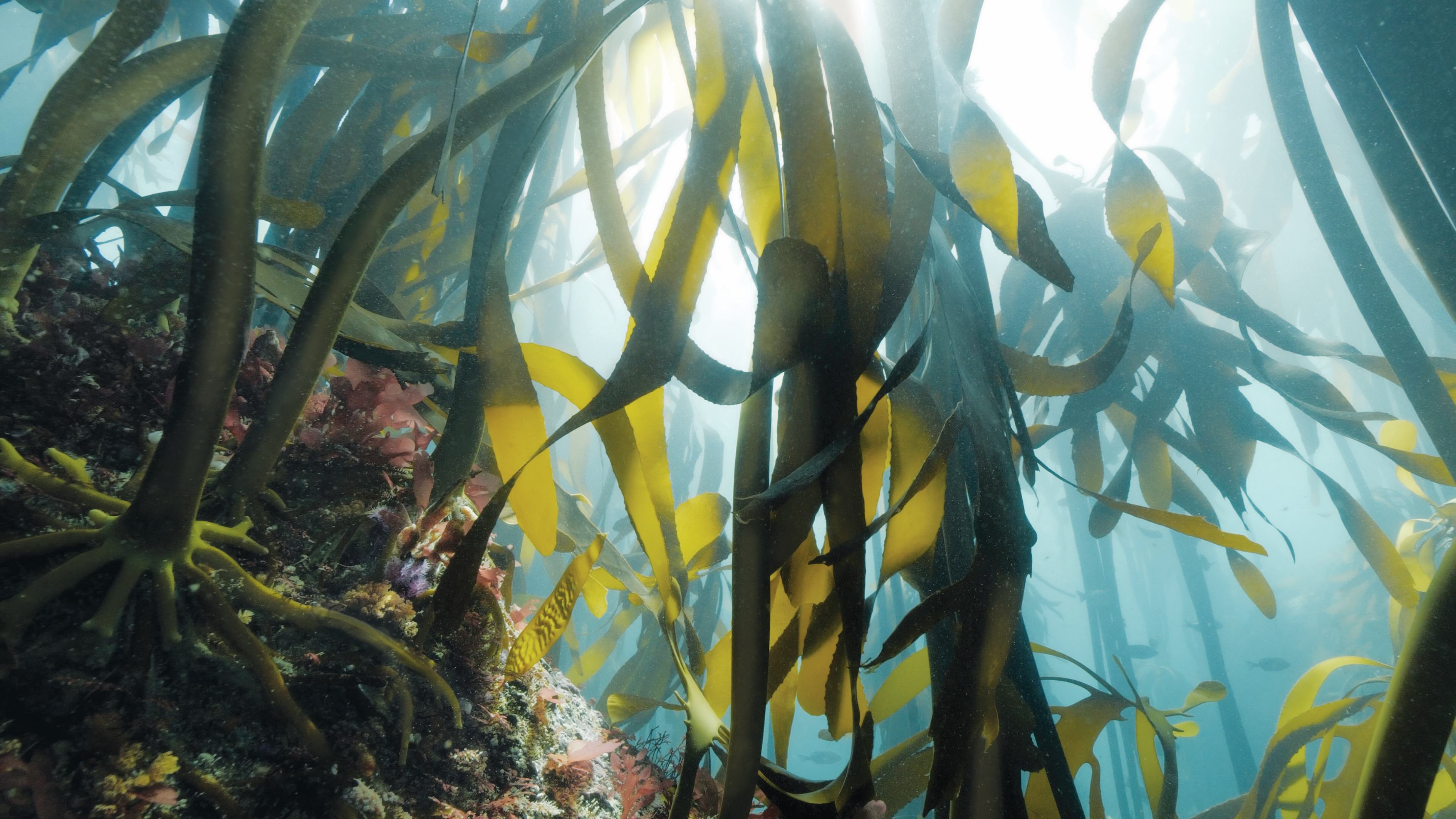
Kelpak is produced from kelp otherwise known as Ecklonia maxima which grows in a demanding marine environment characterised by cold currents, strong wave action, and high natural stress
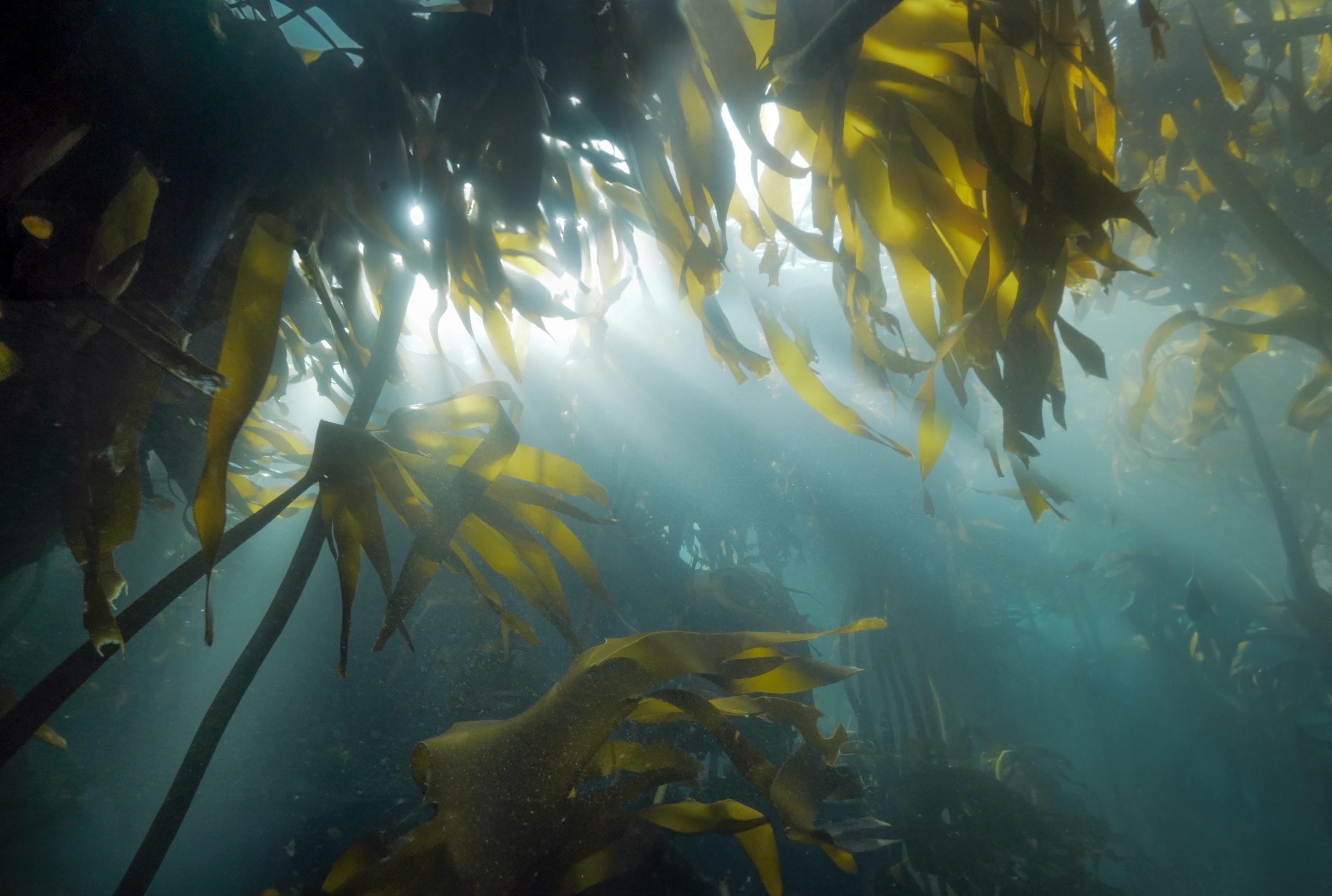
Underwater forests shelter marine life, help maintain ocean health, and form part of a wider environmental system that links the sea, soil, climate, and food
Kelpak’s ocean-sourced biostimulant model shows how agriculture can draw from nature without depleting it
How do we take value without weakening the system that created it?
Growers are being asked to produce more consistent crops under less predictable conditions, often with higher input costs and greater scrutiny around environmental impact. Solutions are needed, but not at any ecological price. For agricultural innovation to remain credible, it must be underpinned by transparent and responsible sourcing practices.
Along South Africa’s cold Atlantic coastline and in the waters around the Cape Peninsula, historically known as the Cape of Storms, Ecklonia maxima grows in a demanding marine environment characterised by cold currents, strong wave action, and high natural stress. The coastline is famous for shipwrecks, storms and rough seas. It is also where vast kelp forests thrive.
These underwater forests are living ecosystems. They shelter marine life, help maintain ocean health, and form part of a wider environmental system that links the sea, soil, climate, and food.
Kelpak, a global producer of seaweed-based plant biostimulants, has worked with this resource for nearly five decades. Its model offers an example of responsible ocean use in agriculture.
“World Ocean Day should make every business that depends on the sea pause and reflect,” says Christo van Eeden, Harvesting Manager at Kelpak. “The ocean gives us something valuable, but it also sets the limits. Our job is to work within those limits so that the kelp forest ecosystem can continue to replenish itself through new plant growth, season after season.”
Kelpak’s harvesting team uses a rotational strip-harvesting system, working within designated areas and allowing harvested sections time before being revisited. Mature kelp is harvested once it has reached full size, helping to thin the kelp forest and create light and space on the rocks for new kelp plants to establish from spores. This is important because kelp forests are naturally dynamic ecosystems. In the Cape’s high-energy waters, older kelp is regularly broken by wave action, opening up space for younger plants to grow.
“What we do is careful, selective harvesting, not extraction,” says Van Eeden. “We harvest mature kelp at a stage when creating space for new kelp plants is already part of the natural cycle. If the kelp forest is not healthy, then neither is the future of our work.”
The company operates under regulatory oversight, with quotas, harvest limits and site inspections forming part of the management system. Monitoring is an important part of the process. Drone surveys are used to track canopy cover and biomass, while field studies and academic partnerships contribute to understanding kelp density, age structure and natural mortality.
This is where sustainability takes its place as a discipline. It depends on measurement, restraint, accountability and the willingness to leave enough behind.
The same principle applies once the kelp leaves the ocean. At Kelpak, the harvested Ecklonia maxima is processed into a natural plant biostimulant used by growers in more than 80 countries. Biostimulants are not fertilisers and do not replace sound crop nutrition. Their role is to support natural plant processes, including root development, nutrient use efficiency, stress tolerance, and crop quality.
Healthy root systems help crops access water and nutrients more effectively. Better stress tolerance can help plants cope during difficult growth periods. Improved nutrient-use efficiency can support more responsible use of inputs.
None of this removes the need for good agronomy, but it does point towards a more integrated farming model, where resilience is built into the system rather than treated as an afterthought.
The full kelp plant, including stipe and fronds, is used in precise ratios, while the remaining material is repurposed for compost and other beneficial applications. Local hand-harvesting partners are supported through safety, environmental, compliance and business training, extending the value of the resource into coastal communities.
The next chapter of sustainability will be judged less by what businesses say they protect and more by what they can prove they replenish, restore or leave intact. World Ocean Day is a reminder that the ocean cannot remain an invisible supplier to human systems. It must be treated as a partner with limits.
From the Cape of Storms to farms across the world, resilience has to be earned through the way we work with it.
Sonja Knoesen
Hatch Communication
+27837003078 ext.
email us here
Kelpak : From the ocean to your orchard
Legal Disclaimer:
EIN Presswire provides this news content "as is" without warranty of any kind. We do not accept any responsibility or liability for the accuracy, content, images, videos, licenses, completeness, legality, or reliability of the information contained in this article. If you have any complaints or copyright issues related to this article, kindly contact the author above.
